The Critical Role of a Marketing Plan in Driving Business Success
- John Mayo
- Apr 11
- 3 min read
Updated: Apr 15
When I first started my business, I thought having a great product or service was enough. I believed that if I just worked hard and delivered quality, customers would naturally come. But reality hit hard. Weeks passed with little to no inquiries, and I realized something was missing. That missing piece was a clear marketing plan. Without it, I was hoping for success instead of planning for it.
A marketing plan is not just a section in your business plan; it is the roadmap that answers the crucial question: How will people find you? You can have the best skills, the most beautiful space, and the strongest service, but if no one knows you exist, your business won’t grow. Over time, I learned that marketing connects your business to real people, real clients, and real income.

Why a Marketing Plan Matters More Than You Think
Without a marketing plan, your business is like a ship sailing without a compass. You might try posting randomly on social media, sending out occasional emails, or running ads without a clear goal. This guessing game leads to inconsistent results and wasted effort.
A marketing plan gives you:
Focus: It helps you decide who your ideal customers are.
Direction: It guides what messages you share and where.
Consistency: It ensures you show up regularly so people remember you.
When I created my first marketing plan, I stopped trying to do everything. Instead, I focused on the right activities that attracted the clients I wanted. This shift made all the difference.
Understanding Your Audience and Message
One of the biggest benefits of a marketing plan is clarity. When you know exactly who you are talking to, your message becomes stronger and more natural. You stop trying to convince everyone and start connecting with the people who already need what you offer.
For example, if you run a yoga studio, your marketing plan might identify busy professionals looking for stress relief. Your message would then focus on how your classes help reduce stress and fit into a hectic schedule. This clear communication builds trust, and trust turns interest into bookings.
Consistency Builds Recognition and Trust
Most businesses don’t fail because they lack quality. They fail because they aren’t seen enough or remembered. Consistency is key to staying top of mind.
When I began posting regularly on my blog and social channels, even simple updates, I noticed more people started reaching out. They remembered my name when they needed my service. Showing up regularly, even in small ways, keeps your business visible.
Linking Marketing to Financial Success
Marketing is not just about visibility; it directly affects your income. Clients bring revenue, and clients come from being seen. A marketing plan helps you estimate growth, set realistic goals, and track what works.
For instance, after setting clear marketing goals, I could predict how many new clients I needed each month to meet my income targets. This made my business more manageable and less stressful.
How to Build a Marketing Plan That Works
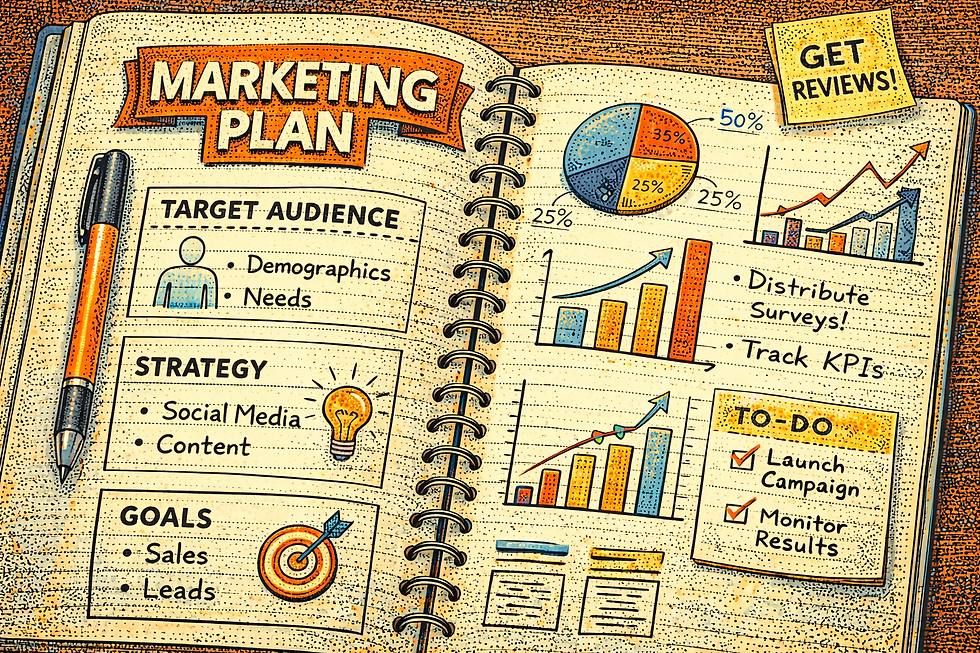
Creating a marketing plan might seem overwhelming, but breaking it down makes it manageable. Here’s a simple approach I used:
Define your target audience
Who are your ideal clients? What do they need? Where do they spend time?
Craft your message
What problem do you solve? How do you help your clients? Keep it clear and focused.
Choose your channels
Decide where you will share your message. This could be social media, email, local events, or partnerships.
Set goals and budget
How many clients do you want? How much can you spend? Set measurable targets.
Create a schedule
Plan when and how often you will post, send emails, or run promotions.
Track and adjust
Monitor what works and what doesn’t. Be ready to change your approach based on results.
Real-Life Example: How a Marketing Plan Changed My Business
When I started, I posted randomly on social media without a clear plan. Engagement was low, and I felt frustrated. After developing a marketing plan, I focused on creating weekly blog posts that answered common questions from my target audience. I also started a monthly newsletter with helpful tips.
Within three months, my website traffic doubled, and inquiries increased by 40%. Clients told me they found me because my content spoke directly to their needs. This experience showed me the power of a focused marketing plan.
Final Thoughts on Marketing Plans
A marketing plan is the foundation of business growth. It moves you from guessing to knowing, from hoping to planning. It helps you connect with the right people, communicate clearly, and show up consistently. Most importantly, it ties your marketing efforts to your financial goals, making your business more predictable and successful.


Comments